Showing posts with label malawi travel. Show all posts

Sunday, 28 November 2010

8 top tips for travelling with a baby to Malawi

I recently took my 7 month old daughter to Malawi for a couple of weeks, and since our return, I've had a few people ask me how we coped with such a young baby on the plane, in the heat, and with all sorts of creepy crawlies etc out to do her harm.


So here is my list of 8 top tips for travelling with a young child to Africa!


1. Be prepared
I've borrowed the scout motto for this one. The most important weapon in our arsenal was to make sure we had enough of everything we thought we might need available in hand luggage. Note you can take baby food, bottles of water etc through security as long as you taste it in front of the officials. We loaded up with a few all-in-one romper suits, a handful of disposable nappies (evil I know, but try carrying around 6 used reusables for 27 hours!) and some simple (non-noisy) toys to entertain her. Add to that a few bibs, some baby paracetamol and some rice cakes, and we were pretty much sorted for the long flight.

2. Ask and ye shall receive
It continued to amaze me over the course of our trip how willing people were to help us stay comfortable with the baby. So this tip is to remind you to ask for things to make your journey easier. Our first request was that we have a sky cot (bassinet) for the baby. As there are only a select few of these available on each plane put a request in early with the airline and then reiterate at the check-in desk. Note that getting a bassinet also puts you in the front 'leg room' seats - so a double win!


3. Plan for the time zone change
It sounds obvious, but if you're going to get jetlag, it'll be because you haven't planned for the time zone change. We had to force ourselves to go to sleep during the middle leg of our journey (the 5 hours wait in a freezing cold Addis Ababa airport!), and we did away with the usual baby sleeping arrangements, allowing Tio to go to sleep on one of us. It was great of course, as she was like a little hot water bottle!


4. Take plenty of changes of clothes
Babies get dirty. Very dirty. So make sure you take plenty of changes of clothes for your little one - I think we went through five sleep suits over the 27 hour travelling period through a mixture of vomit, food, and other nefarious substances. And don't forget a plastic bag to put it all in!

5. Travel cot and baby carrierJust to make your life easier. We used a Baby Bjorn front carrier which left whoever was carrying the baby with both hands free for passports, carrying hand luggage and duty-free shopping. The travel cot also worked really well, as it had an enclosed fly/mosquito net, so we were certain she wasn't going to get bitten while sleeping in Malawi!


6. Sun cream, hat, onesy, insect repellent
Absolute no-brainer, but had to mention it. When we took Tio swimming we coated her in sun cream, then put her onesy on, then put a hat on her. She was very tolerant considering the hassle, but she loved her dips in Lake Malawi while we were down at Sambani Lodge. Also, baby insect repellent is really important, we used it mainly while we were in Mzuzu, staying at Monkey Puzzle Lodge (on the Nkhata Bay road), and she didn't seem to mind it too much (I think she was too interested in eating the lovely bananas!)

7. There is a time and a place for jars of baby food
On the plane, an absolute godsend! The airhostess very kindly warmed up the meal, and security let us through as we tasted it in front of them. She actually quite enjoyed the jar (we normally mash up what we're having for dinner), and it lasted a couple of meals. We also knew what she was getting, as airline food tends to be quite sugary/salty.

8. Finally, don't let your baby lick your flip-flop....
We had been so careful to keep Tione out of trouble for the entire trip, until it came to the day before we left. Blame it on the heat, or blame it on how comfortable we felt with her ability to adapt Malawi, we were letting her play on a mat on the floor and in a more adventurous move than she had tried previously, she managed to reach across the mat, and grab my wife's flip-flop, then it went the way of all things do when babies get their hands on them - straight into the mouth. There was a moment of realisation between us, and then a slow motion 'NOOOOOOOOOOOOOOOOO' as we dived to snatch it out of her hands. Alas, the damage had already been done, and for the next couple of weeks she had a stinking cold. Still, it could have been worse, can you imagine what a flip-flop can pick up in Africa...!

Are you travelling with a baby, have you got some tips of your own. I'd love to hear your thoughts!!

Saturday, 9 October 2010

5 things you need to know how to say in Chewa (the official language of Malawi)!

Malawi is a country made up of many different tribes, all of whom have slightly different languages. The differences aree most pronounced as you travel from North to South - as you go from Nkonde in the very north, to Tumbuka in the North, to Tonga on the lake shore around Nkhata Bay and Sambani Lodge, and then Chewa as you go further South.


The good news is, the national language of Malawi is Chewa, and it is taught in all schools from an early age - as is English from secondary school. Bearing that in mind, you can no doubt get away with speaking English, but if you want to really impress, here are my top 5 things you need to know how to say in Chewa!


1. Greetings

The greeting is the cornerstone of Malawi culture - nothing happens without a long drawn out greeting ritual - so it's important you can play your part. Perhaps you can find a willing volunteer to enter into a roleplay with you.

Moni (mo-ni): Hello?

Muli bwanji: How are you?
  - Ndiri bwino, kaya inu (nee-li bwi-noo, kaya ee-noo): I am fine, and you?
Ndiri bwanji: I am fine
  - Zikomo (zee-ko-mo): Thank you
Zikomo: Thank you

There are different versions of this greeting across malawi, but you can instigate this, or respond as appropriate. Often you may have to repeat this several times - to the delight of your hosts or nearby Malawians!

2. I'm not from around here...

Mumalankhula chizungu: Do you speak English?
Sindimalankhula chichewa: I don't speak Chewa
Sindimvetsa: I don't understand


3. Medical care

Mundithandize!: Help me! 
Ndikudwala: I am ill
Chipatala: Hospital
Ndikufuna dokotala: I need a doctor

4. How much...?

Ndi ndalama zingati ichi?: How much is this?

5. Goodbye

Yendani Bwino (yen-dar-ni bwee-no): Travel safely

So those are my top 5 things to know how to say in Chewa (the official language of Malawi). For more phrases, and the conjugation of some common verbs, why not download the
Malawi phrasebook - a snip at £3, just pay with PayPal!

What are you top phrases a traveller would need in Malawi? Just use the comments section below, I'd love to hear your thoughts!

Tuesday, 28 September 2010

Top 12 unmissable places to visit in Malawi

I'm often asked what things are not to be missed by friends travelling to Malawi, so I've pulled all my tips together into a single post.


Here are my top 12 unmissable places to visit in Malawi.


1. Mount Mulanje

Mount Mulanje is Malawi's highest peak. Situated in the Southern region above the town of Mulanje, climbing/hiking tours can be arranged, which generally take several days, camping overnight on the mountain. Mulanje offers a breath-taking tropical climb.

2. Lake of Stars festival, Salima

OK, so not a place but an event - and not one you want to miss! Lake of Stars is an institution in Malawi, started a number of years ago, it brings together global and local musicians for a 3 day festival of music and partying. It generally takes place one weekend in October - for more details, visit the Lake of Stars website.

3. Lake Malawi Steamer - the Ilala

The only way to see Lake Malawi - the Ilala steams up and down the west coast of Lake Malawi from Monkey Bay, to Likoma Island, Nkhata Bay and all the way to Chilumba. There are only 5 cabins, but what better way to kick back and relax on a cruise up or down Lake Malawi. Recommended!

4. Nkhotakota pottery, Nkhotakota

Malawi actually has quite an impressive pottery industry, both for local people and travellers' souvenirs and one of the most famous lies in the town of Nkhotakota, on the central/northern lakeshore road. Tied to a hotel, Nkhotakota offers pottery breaks where you can see them at work, paint your own or just buy some of their fabulous products. The do all sorts of crockery, bowls, plates, salt and pepper shakers, as well as tiles and other custom items. Brilliant!

5. Sambani Lodge, Chintetche

Sambani Lodge is a small hotel situated on a beautiful, white sandy beach on the shore of Lake Malawi. Nestled in mango trees, several kilometres from the main lakeshore road that runs from Nkhata Bay to Salima, Sambani Lodge offers good quality accommodation at a decent price. The water is also Bilharzia free, so swimming is compulsory (a huge relief in the heat of the day!). There are also all sorts of activities to occupy you, and if there aren't enough of you for a volleyball team, some locals will be sure to help you out!

6. Kasungu National Park

Kusungu National Park takes up much of the central west part of Malawi, bordering Zambia, and is a huge, mainly wooded park containing buffalo, hippos, leopards and lots of fabulous birdlife. Visiting this park off-season is not recommended as the tree cover means animals are hard to spot and there are lots of waterholes to choose from.

7. Livingstonia

Cut off from the rest of Malawi by a single road, and often inaccesible during and just after heavy rains, Livingstonia should be a separate country of its own. Named after David Livingstone, it sits atop the rift valley plateau, perched on the edge of the escarpment that drops away over 1,000 feet to Lake Malawi below. People and guesthouses are few and far between but for me nothing can detract from this beautiful wilderness.

8. Likoma Island

Perched in the middle of Lake Malawi, Likoma island is accessible by plane (as it has a small airstrip) or by steamer boat from Nkhata Bay. It is a beautiful island, with around 9,000 inhabitants, and randomly a cathedral in the centre! There are guesthouses available for visitors, but booking in advance is recommended.

9. Karonga Museum (it's all about the Dinosaurs!)

This museum is as incongurous as it sounds. Situated on the outskirts of Karonga township, and boasting an amazing full 'Malawisaurus' skeleton (yes that's its name...really!) found nearby, this museum with make you chuckle as much as inform you of the mythical history and local traditions of the area. Worth a visit if you are passing through!

10. Vwaza Marsh National Park

Vwaza Marsh doesn't sound like the nicest place to go, but it is one of the best, and most reliable parks to visit in Malawi. The accommodation is situated around the main marsh/lake with chalets and space for camping. Animals you'll see are elephants, crocodiles, hippos, buffalo, wildebeast. If you go, make sure you sign up for their night safari and walking safaris - you'll be astonished by what you see.

11. Lake Malawi National Park

Claiming to be the world's first freshwater national park, Lake Malawi National Park, in the southern region of Malawi, covers a mere 9,000 hectares, but in spite of its small size it is packed with huge concentrations of Malawi's diverse bird life, as well as hundreds of different species of fish. Lake Malawi has the largest number of species of ciclid of any freshwater lake in the world!

12. Nkhata Bay

Nkhata bay is the place to hang out if you're on an overland tour, or want to do activities in Malawi. The large, pebbly beach is surrounded by guesthouses and lodges, all offering various watersports and other activities. A short way away (on the road to Chitetche) there is a huge roadside carving market, where carvers of all types of soivenirs (traditional and modern) hang out waiting for passing cars and customers. The good news is they are all negotiable!

So, those are my top unmissable places to see in Malawi - have I missed any that you would add? I'd love to hear your thoughts!

Saturday, 4 September 2010

Guest Blog: My first taste of Malawi by Emma Langley

Nick: I'd like to introduce a friend who has very kindly agreed to share her experiences of travelling in Malawi as a young, single female traveller. Huge thanks to Emma Langley for this post:

My first taste of Malawian hospitality came before I’d even got outside Lilongwe airport.

I’d bonded with two strangers on the aeroplane over our two particularly tremulous flights from London: two brothers, Paulo and Emilio, then living in London on their way home to Malawi. I was supposed to be staying in guesthouse in Lilongwe before my friends arrived but the brothers had a better suggestion: “Don’t stay in the capital by yourself, stay with our family in Blantyre”. I can’t do that. My British sense of politeness said it would be imposing and awkward, and the single female traveller in me said you’ve known these guys for less than 24 hours. But the adventurer won out. It was a judgement call, the kind you don’t tell your mother about.

They were met at the airport by Manuel, another brother, a family friend and Paulo’s 10-year-old son. I had no idea how many ‘main’ towns there were – or weren’t - in Malawi. So when they said they Blantyre was just the next town down, the fact I was in a different country, no clue specifically as to where in relation to anywhere else, no means of communication, with complete strangers, seemed marginally less angst-inducing. Five hours in the back of the truck with a backside that had disowned me later, we arrived at their sister Clara’s house in Blantyre.

Blantyre is not five hours from Lilongwe – it was more like 2-2.5 hours on the return trip. But we stopped at every single small settlement or roadside gathering on route so the brothers could buy food, exchange clothes/cigarettes from the UK, catch up with friends. It was a five hour story with a plot as bumpy as the potholes and as characters as colourful as the roadside fabrics: I heard the life story of the man selling giant mushrooms on the side of the road, the business problems of their ex-primary school teacher’s wife, and the agricultural history of the fruits we purchased from children at a market. Of course, a random white girl in the back of a truck with 3 non-Malawian looking Malawians and a child attracted just a little bit of attention: I had come to Malawi as a tourist but was fast realising that I was becoming a tourist attraction. I figured out the meaning of “Musungo Musungo!” without the help of a translator. We drank beer watching the sun go down over the vast expanse of Mozambique to the right of the road and, as the brothers starting reminiscing about their childhood, I almost expected to pitch up with a campfire for the night.

None of the brothers or their 8 elder siblings were born in Malawi, they arrived here as refugees when Paulo, the youngest, was a baby. The 15 year civil war from 1975 -94 in Mozambique led a million and a half people to flee to neighbouring countries. Their father was a Portuguese farmer, their mother the daughter of Mozambican famer, Mozambique being an ex-Portuguese colony and trading port. Like many similar families in the very southern regions of Malawi, Clara’s household speak Portuguese as a joint first language with Chechwa, and some English. And when I say household, I’m talking six children, four adults and grandmother. It took me three days to figure out whose children belonged to whom: amongst their family and friends children seemed to be very communal. By Malawian standards, the family are relatively well-off, mostly through Clara’s marriage to a South African building developer. It took me a while to get my head around the idea that a nanny, a cook, a cleaner and a house guard constituted a normal lifestyle for anyone outside of aristocracy; to Clara’s circle of friends and family, hired help is entirely normal.

In between playing with six children and watching Nigerian soap operas, the family took me around Blantyre, Malawi’s commercial centre and second largest town. We explored Limbe, took in the awesome views across the Shire River and bank-side farms, and went clubbing – the least likely activity I thought I’d be doing in Malawi. Clara lent me a dress on account of the fact that very item of clothing in my rucksack screamed scummy backpacker. But I think the highlight for me was the party in an Iranian friend’s house, to celebrate the birthday of one of their Indian friends. If it wasn’t for grandmother busting her Mozambican dance moves until the early hours, you could have been forgiven for thinking you’d arrived at a United Nations conference.

It’s rare that over-used clichés are well-employed, let alone deserved, but I was starting to glean something about this so-called warm heart of Africa: I was taken in by complete strangers and they made me part of their family. The brothers delivered me safely back to Lilongwe and it was not the last I saw or heard from them – I’m going back to visit the family in October. This experience was the first of many encounters with friendly Malawians and I’m genuinely humbled by how I’ve experienced hospitality in a place so vastly different from home.

Nick: What was your first visit to Malawi like - we'd love to hear you experiences too!

Monday, 16 August 2010

Top 10 items you need to pack for a trip to Malawi

So, you have your trip booked, great - and you've weighed up the different flight providers, excellent - but what are you going to pack in your 23kg (46kg if you're flying Ethiopian) of luggage space?

I've compiled a list of 'must have' luggage items for your trip to Malawi, whether you are just staying in Lilongwe, or travelling up to the Northern region (and Sambani Lodge!) Or even into Tanzania or Mozambique - here are my top 10 tips for things not to forget:


1. Anti-malarials
Definitely don't forget these. Malawi does have the female mosquitos that carry Malaria, and although prevention is better than cure, if you are bitten you'll be glad you have them. Read my previous article on the anti-malarial drugs available in the UK.

2. Long-sleeved clothing
This ties in with the prevention rather than cure philosophy. Mosquitos are most active at dawn and at dusk, so for these key times, make sure wrists and ankles are properly covered. Mosquitos love these areas of the body, as the blood vessels are close to the surface, and the skin is thin. You could go for socks and gloves as well, but that might be going over the top!

3. Bug spray!
This is turning into a medical post, don't worry, there are non-bug related things to pack! An excellent spray for warding off creepy crawlies will have a high concentration of Deet in it. Make sure you take enough, as there's nothing worse than running out in the middle of nowhere.


4. Old clothes
Sounds silly, right? You don't want to bring old clothes as they'll take up loads of room and you want to wear new stuff on your trip, right? Wrong! Bring a load of old clothes, especially stuff that you don't mind leaving in Malawi; that way when you are travelling you can use your old stuff, which you won't mind getting dirty, and wear your new stuff once you arrive at your destination. The added bonus is Malawians will often take payment for souvenirs in old clothing (or just donations!) so you know your old garments are going towards a good cause.

5. Cheap digital watch
One of the best purchases I've ever made for travelling to Africa is a cheap digital watch. They're really reliable, they don't stand out to thieves as they are quite prolific in Malawi, and you won't mind if it breaks or gets lost, as you only paid a few pounds for it. Just remember the appointments/buses/people in Malawi run on GMT (General Malawi Time) so give everything you do a few hours flexibility.


6. Everything to do with the sun
Sunhat, sunglasses, sun cream etc. Malawi can get hot. Damn hot! Sitting in the tropics, Malawi has pretty consistently hot weather, from north to south. Half the country sits at the top of the rift valley at an altitude of over 1000ft above sea level and common temperatures are 26-33 degrees celsius. If you head down to the lake, whether it be Sambani Lodge in Chintheche or up to Karonga, temperatures push 40 at some times during the year, so make sure you take the usual stuff to protect you from the rays.

7. Camera equipment and a battery charger
It almost goes without saying that you should take your camera, batteries and a charger to Malawi when you go. I just wanted to emphasize a couple of points here. Firstly, Malawi is an AMAZING place to take photographs, I have never taken so many good, high-saturation, colourful photos as I have in Malawi. Secondly, because of the hot humid conditions, your batteries will run out quicker than usual, and there is nothing worse than framing the perfect shot, only to realise you are out of juice!

8. A good library of books
The idea of timekeeping is incredibly loose in Malawi, and, as mentioned earlier, the Malawian attitude to time can be summed up as GMT (general malawi time). As this is the case, if you are doing any travelling around in Malawi, you should be prepared to spend long periods waiting for people or activity. The remedy for this is, of course, ensuring you have the latest version of the lonely planet, or some other weighty tome, to keep you occupied. And of course you can always leave your novel with a friendly (and appreciative) Malawian once you're done.

9. Our Chewa phrasebook
Ok, so I had to get a plug in somewhere! Serioisly though, while most Malawians can speak small amounts of faltering English (and you'll get loads of kids shouting 'how are you' at you), I'd thoroughly recommend buying a copy of our phrasebook (a snip at £3) to help you with some of the common words, phrases and verbs in Chewa. It will REALLY make a splash with local Malawians and springboard you to the centre of attention, whether at a bus stop or in the market.


10. Leave some space!
I mention this one through first-hand experience of having to travel with a carved 'elephant' stool in my hand luggage because it wouldn't fit in my hold baggage allowance. Leave some space as you are likely to want to bring some (lots) of items back from Malawi - whether it be ceramic pieces from the two famous potteries - Dedza and Nkhotakota - carvings, paintings, jewellery or any other souvenirs that can be found throughout the country.

Those are my top 10 for now - let me know what you think you'd add to that list, or if you disagree using the comments section below!

Tuesday, 3 August 2010

What's the cheapest way to fly to Malawi from London?

Malawi as a holiday destination can be pretty cheap once you're there, but what airlines fly to Malawi from London, what's the cheapest way to get there, and what do you trade off with a cheap flight?

Which airlines fly has been a bone of contention for some time as there used to be direct flights to Malawi with British Airways, which were brilliant. However these flights were stopped around 2000, for reasons unknown. I presume it was uneconomical for them to fly and once the profit margin falters on those long haul flights they get descheduled pretty quickly.

So who actually flies to Malawi from London?

At time of writing, the following airlines are offering a route to Malawi:

  • Air France
  • KLM
  • South African Airlines
  • Virgin Atlantic
  • Ethiopian Airlines
What routes do these airlines take to Malawi from London?
The Air France route to Malawi is part operated by Kenya Airways, and they fly: London Heathrow > Paris > Nairobi > Lilongwe (Malawi capital in the central region of Malawi)

The KLM route from London to Lilongwe is also part operated by Kenya Airways but their route is: London Heathrow > Amsterdam > Nairobi > Lilongwe

South African airlines offers a longer route which goes: London Heathrow > Johannesburg > Lilongwe
Virgin Atlantic fly (in partnership with South African): London Heathrow > Johannesburg > Lilongwe
Finally, Ethiopian Airlines operates a route to Malawi via its hub in Ethiopia, and its route is: London Heathrow > Addis Ababa > Lusaka or Lubumbashi (refuel) > Lilongwe
That's all great, but how long do they take to get there, and get back?!

                      LHR - LLW        LLW - LHR
Air France       c. 12 hrs          c. 15 hrs
KLM               c. 12 hrs          c. 15 hrs
South African  c. 15 hrs          c. 18 hrs
Ethiopian        c. 14 hrs          c. 20 hrs
Virgin Atlantic  c. 14hrs           c. 15hrs

So, which airline is the cheapest to travel to Malawi?

Without a doubt, the cheapest airline to fly with is Ethiopian Airlines. They are consistently the lowest cost over the course of the year, and their top prices are not that much higher than their value fares. You can expect to pay between £490 - £700 for a flight
The other airlines - KLM/Air France/South African depend on when you book and when you travel, but cost around £600 - £900.
The most expensive is Virgin Atlantic - a flight with them will cost around £1000+


Finally, which is the best airline to fly with?

Well, in this humble blog author's opinion, South African is the best for experience, it's comfortable and the air crew are friendly and experienced (especially if linked with a Virgin Atlantic flight!).

KLM/Air France and good for speed of journey, they get you there quickest, but part of the flight is operated by Kenya Airways, which can be hit and miss, and Nairobi Airport is chaotic.
Ethiopian really fits the mantra that you get what you pay for in a flight, expect chickens in the aisle, toilet lights that don't work and films that are too long for the flight. However it is cheap and you get 46kg baggage allowance - double what the other airlines offer, so plenty of room to bring back oodles of African carvings...if you're happy to sit on a flight for 20 hours!

Tuesday, 29 December 2009

Malawi national parks and game reserves: Sizes

There are five national parks and four wildlife reserves in Malawi, each differs in size and location.

The National Parks are:

Nyika National Park
Area: 3,134 km2

Kasungu National Park
Area: 2,316 km2

Lake Malawi National Park
Area: 94 km2

Liwonde National Park
Area: 538 km2

Lengwe National Park
Area: 887 km2

The Wildlife / Game Reserves are:

Vwaza Marsh Wildlife Reserve 
Area: 920 km2

Nkhota-kota Wildlife Reserve 
Area: 1,800 km2

Majete Wildlife Reserve
Area: 691 km2

Mwabvi Wildlife Reserve
Area: 135 km.

Friday, 18 December 2009

Travellers Tales: Transport in Malawi

A post on travelling in Malawi from a recent visitor.

Many people in Malawi don’t have access to their own transport and there is no public transport as such. This means that some people will walk for miles and miles in order to get to the nearest town, school or even hospital.

However, if you stand on the side of the road (and you have a good idea of where you need to go), you can hop onto the back of a pick-up or jump in a minibus for a very minimal price with a whole host of other travellers. Often you will find (particularly as a white tourist or a ‘mzungu’) that you will be able to haggle the price down to a similar price that the locals pay. Normally, when you manage to do this well, the driver or person you are haggling with will laugh and say “ah, you have been in Africa before.”

The journey into town or wherever you are going is an experience you will not get in many other places and you will find that you are in very close proximity with a lot of other people and their belongings – bags of fish, rice, sugar cane and sometimes live chickens. The journey is often very bumpy and very noticeably, the driver will cut out the engine when going down a hill before bump starting it to get up the other side, in order to save petrol.

For me, I can see no other way to travel in Malawi, it is cheap, the people are very friendly, you can familiarise yourself with the normal way the locals travel and you are also able to experience the chatter (a mixture of the many and varied Malawian languages) around you.

Kindly written for All About Malawi Blog by Will Andrews

Sunday, 13 December 2009

Earthquakes in Malawi: December 2009

A quick overview of the fragmented press coverage on the earthquakes in Karonga District in Malawi in December 2009.

A series of earthquakes and tremors hit Karonga District, in the Northern region of Malawi between Sunday 6th and Tuesday 8th December 2009.

The Facts:

Magnitude of Earthquake: 5.9 on Richter Scale
Depth: 10km
Region: Northern Region - Karonga District
Population: 1.2million
Alert Status: Orange (medium humanitarian impact) (Source)
Injuries: 6 (hospitalisation)
Deaths: 1 child (building collapsed)

On the ground reports:

Sources on the ground in Malawi reported that tremors were felt as far south as Mzuzu (110 miles south of the epicentre of the tremors). One text I received from travellers stated 'I thought my bed was being shaken by someone, but I realised that the floor was moving, all that and torrential rain and thunder! Scary!'

Comments from people in Karonga have focussed on the confusion and fear they are feeling, with many opting to sleep outside their houses, in case they collapse.

The District Commissioner stated that he had set up a task force to assess the damage and respond to what could be an impending crisis if the aftershocks continue.

Why did it happen?

Part of Malawi sit in the Great Rift Valley, a deep valley that has grown due to the movements of tectonic plates that cover the earth, creating our mountain ranges. Other tectonic areas are places like indonesia, Los Angeles and the himalayas.

Numerous sources from the BBC to Reuters have reported on the story, this post pieces them all together.

Friday, 4 December 2009

Natural Phenomenon: Lake fly plumes on Lake Malawi

One of the most amazing phenomenon in the natural world happens on Lake Malawi.

Imagine thousands and thousands of flies, all hatching at once in the middle of a huge, open expanse of freshwater...rising up from the lake in huge plumes, like smoke in the distance.

If you can't imagine what that would look like, here are a few pictures to show you this amazing natural sight:

The plumes attract birds and fish, who glut themselves on the insects as they are blown across the lake towards the shores.

Each plume is made up of millions of flies, and as you can see in the image on the right the lake fly make dense clouds that can be seen far on the horizon.


When the lake fly make landfall, this is the scene close to the shore as they swarm around trees and buildings.

Children go crazy over these lake fly and gather large handfulls of the insects to make into cakes, which they fry and eat!

An amazing event in nature and one which I would thoroughly recommend you see.

Friday, 20 November 2009

Zomba: in-depth

Zomba - an overview of one of the prettiest cities in Malawi


Zomba is situated in the southern region of Malawi and used to be the capital of Malawi, before it went to Lilongwe. It has many old colonial buildings, a memento of Malawi's colonial past. There is a botanical gardens in the centre of town with a number of indiginous and exotic trees and plants, which is worth seeing if you are interested in nature. The town has one of the best markets for fruit and vegetables in Malawi, with a great range and variety depending on the season.


Zomba has beautiful surroundings, the Zomba plateau making an impressive back drop to the town, and the sheer rockface is an imposing sight! Zomba plateau has some lovely walks, (a great start for the fitness enthusiast is a potato path that takes you to the top of the plateau). Some people even try and fish in the dams at the top of the plateau.


At the top of Zomba mountain is a hotel, which has a specacular view overlooking the town (watch out, as this is an expensive place to stay!) and also has a fantastic views across to Mount Mulanje (on clear days!).


Lake Chilwa is also short distance to the east (20-30 minutes) of Zomba. It is a shallow lake which shrinks significantly in the dry season and supports many fishermen (who still fish from dugout canoes using nets). The volume of water greatly increases in the wet season, but due to high levels of Bilharzia, swimming is not recommended.


Zomba is not far from Blantyre (just under 1 hour by car), and 3-4 hours from Lilongwe. It is also a 6-8 hour drive to Sambani Lodge!

Find out more about the main cities in Malawi.

Friday, 6 November 2009

Cannabis in Malawi

A very short post about cannabis in Malawi.


Cannabis is widely grown along the lakeshore to produce hemp for fishermen's nets. It is of course now sold as Malawi Gold to tourists and backpackers. As it is quite accessible, and very freely available, there are some incidences where it is even used by some schoolchildren, which results in behavioural problems.


Buying and selling cannabis is illegal, but it is very difficult to police in the remote areas where it is grown, and even in the cities police (like elsewhere in the world) have bigger priorities.

Find out more about Tobacco and Beer in Malawi.

Friday, 30 October 2009

Education in Malawi

A short overview on education in Malawi.

Nursery education:

Nursery education is extremely limited in Malawi - the government is now trying to improve this and is investing in building pre-schools, certainly in the cities. There are, of course, private nurseries for those that value education and have the money to pay for it.

Primary education:

Primary education in Malawi is supposed to begin at 5 yrs old. Schools start at Standard 1 and go up to Standard 8, which is the final year of primary. Pupils do not proceed to the next year group automatically, but when they pass the end of year exams. This results in some older children remaining at very early primary school grades for a number of years, and leaving primary education (Standard 8) almost adults. Primary education is free but not compulsory, but there is an enormous shortage of teachers (the standard of whom can be very low with outdated practices) due to a shortage of teacher training schools and facilities. Schools have little or no equipment, teachers are quite poorly paid and the facilities are basic with those lucky to have a classroom often sitting on the floor.

Secondary education:

It is extremely competitive to get into a state run secondary school. Private schools are available, with entrance exams, but many people are unable to afford these. In fact, people often find it hard to pay the nominal fees for state secondary education. It is often very academic, leading to MSCE (Malawi School Certificate in Education) which is equivalent to GSCEs in the United Kingdom. There is little vocational training to assist secondary school leavers with jobs post school - and doesn't allow for the spread of learning styles or encourage the pupils to think, rather deliver lessons verbatim.

Unemployment is high, and there are many jobseekers with MSCE qualifications, which doesn't encourage school pupils to enter secondary education.

Elite secondary schools:

There are a handful elite international private schools in Malawi available for rich Malawian and ex-pat pupils. Here they can take United Kingdom A-Levels and other international qualifications that make them eligible to continue their education around the world.

University education:

Tertiary education in Malawi is extremely limited, with a number of small universities in some of the major cities. To enter university, a malawian has to get certain grades, and pass an entrance exam to study. There are a wide range of subjects to study at university, but you may not get your first choice (as you have to put a 1st, 2nd and 3rd choice of subjects).

Job prospects after leaving university are much better, but there are still a dearth jobs for the graduiates to apply for.

Monday, 19 October 2009

Travelling from Lilongwe to Mzuzu

I have been asked quite often the best way to get from Lilongwe, Malawi's capital, to Mzuzu, so thought I would post the options below:


Taxi: Easily the quickest way! costs about £90 and gets you there in under 3 hours
Minibus: Seen by some as the only way to travel in Africa, let alone Malawi, can be dangerous but cheap and fun (if you don't mind the chickens under your seat...)
Coach: Not expensive, and pretty quick (5-6 hours) - need to go into the town to pick this up
Plane: Not available any more, but you could fly from Mzuzu to Lilongwe on a 24 seater twin-prop for about £50
Private car hire: Prohibitively expensive. Get a 4x4 if you are taking this option!
There are two routes to go one is via the lakeside (this is longer) or directly up the centre of the country. Roads are quite good, though bridges can get washed away in the rainy season.
Hope that helps!

Find out more about the capsized sugar truck on the road in this post.

Saturday, 10 October 2009

The Capsized Sugar Truck

Sugar from a crashed lorry on the Lake Malawi lakeshore road, on the way to Sambani LodgeQuite a random and funny story.
We were on our way up the Coastal road from Lilongwe to Sambani Lodge when we rounded a bend to find an upturned truck lying across the road (driver looking dazed but fine) and the sugary contents of his cargo strewn across the road.
The thing that really struck me was the frenzied activity of the local people who were running from far and wide to sweep up great swathes of sugar and collect it in bags, buckets and even t-shirts. You can see from the picture the extent of the sugar crash!
Who says there's no such thing as a free lunch - I'm sure there were some sugar headaches that night!

Find out more about travelling from Lilongwe to Mzuzu in this post.

Tuesday, 6 October 2009

Snakes in Malawi

Yes. It's true. Malawi does have snakes. Nasty ones!


Don't worry too much though, unless you are doing some serious bush bashing, snakes don't like to be too close to noisy habitation.


Snakes in Malawi:


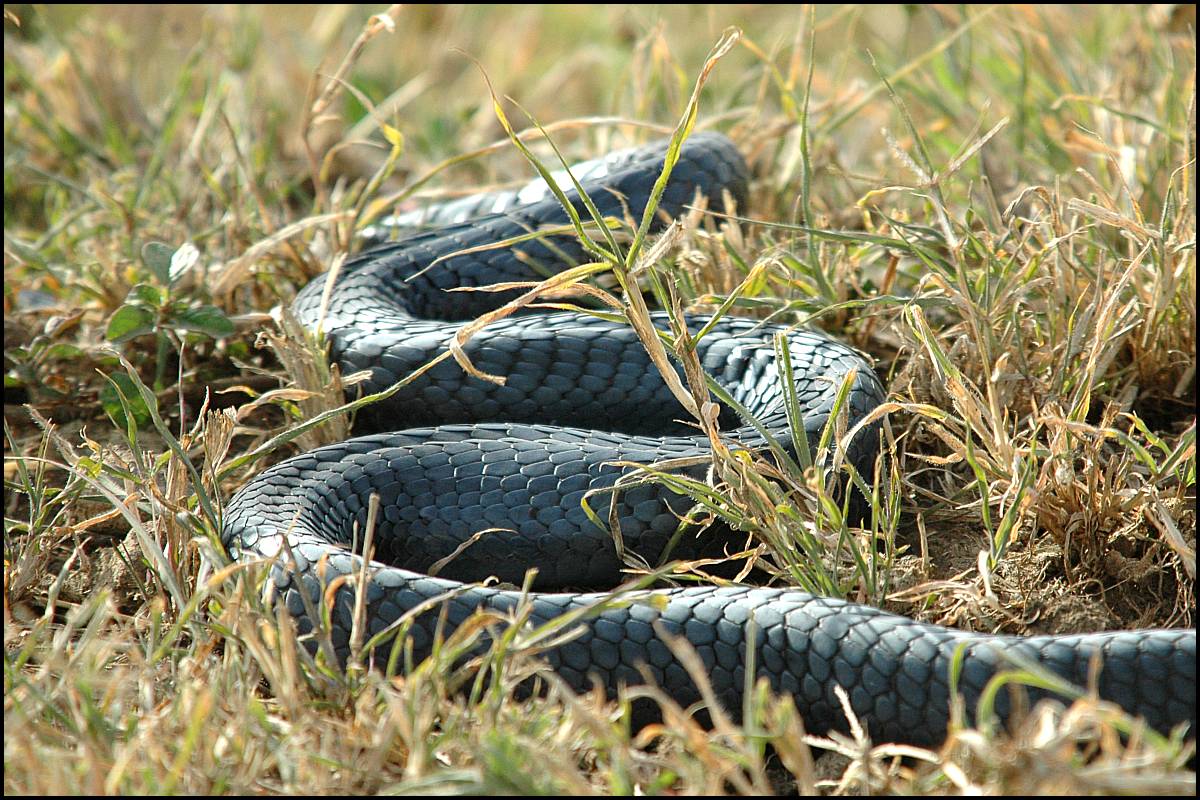
Black Mamba:


The beast of the Malawian bush. An aggressive snake that has been know to attack cars driving along the side of the road. If you see a long, big black snake - get away from it!


There's a good picture of a black mamba on this site, at least you'll know what you're looking for.


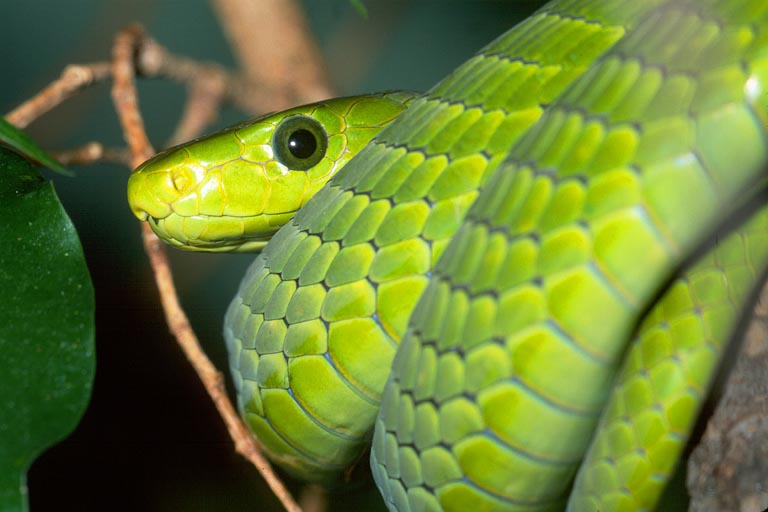
Green Mamba:


Green mambas are more common, and are not aggressive snakes. Bright green in appearance they will spend more time trying to get away from you.


There's a great picture of a green mamba on this site.


Puff Adder (and others):


Short, fat and poisonous. Adders are short and very well camoflaged on the ground.


Tree Snakes:


Poisonous and normally found in mango trees (to catch the mice!) there are range of tree snakes in Malawi.


In my many visits, I have only seen one snake, so don't let it put you off - you'll see more snakelife in Australia!

Saturday, 26 September 2009

Police in Malawi

Police in Malawi are generally courteous and helpful, and will be more than happy to help you if you are asking for directions or information.

Traffic police in Malawi are a slightly different ball game. Depending
on the time of year (eg Xmas) they can look for the smallest problem
with your car or attitude and fine you for anything that might be out
of place!


Fines range from a few dollars/pounds to a much larger sum that needs
to be paid at the police station. Fines CAN be negotiable, however
don't expect an official receipt as these will go straight into your
officer's pocket!


Find out more about police in Malawi's reaction to cannabis.

Tuesday, 1 September 2009

Why I love Malawi - The beginning

Experience Malawi is a bit of a self-indulgent blog covering a country that I am fascinated with: Malawi!

My first visit to the county was in 2001, at the tender age of 21, where I visited my girlfriend's parents who live in the town of Mzuzu, in the Northern Region of Malawi. We flew just before christmas from London to Lilongwe, the capital, and then took a packed minibus for the six hour ride north to Mzuzu. I was made incredibly welcome from the get-go, people we met were happy and welcoming, and my complete lack of any Chewa/Tumbuka/Nkonde didn't prevent communication (albeit with sign language taking over!)

Sambani Lodge. Lake Malawi's paradise hotel.The first week we spent in Mzuzu, visiting friends (my girlfriend hadn't bee back home for 3 years!) and then we headed down to Lake Malawi and her parents guesthouse in Chinthecthe - Sambani Lodge...wow! You've probably seen our sister site, www.sambanilodge.com, and if not I urge you to take a look, an amazing lodge on an unspoilt part of Lake Malawi, set on a sandy beach which is safe for swimming (much of the lake has bilhartzia). And all for a few £ per night...amazing!

It was with sadness that I left Sambani Lodge to head back to Liliongwe after a week of swimming and exploring the area, but needless to say it wasn't my last visit!

A great trip and one I remember fondly. Now my girlfriend is my wife, but more about that on future posts.

To find out what this blog is all about, go to the All About Malawi: What's it all about? post.